
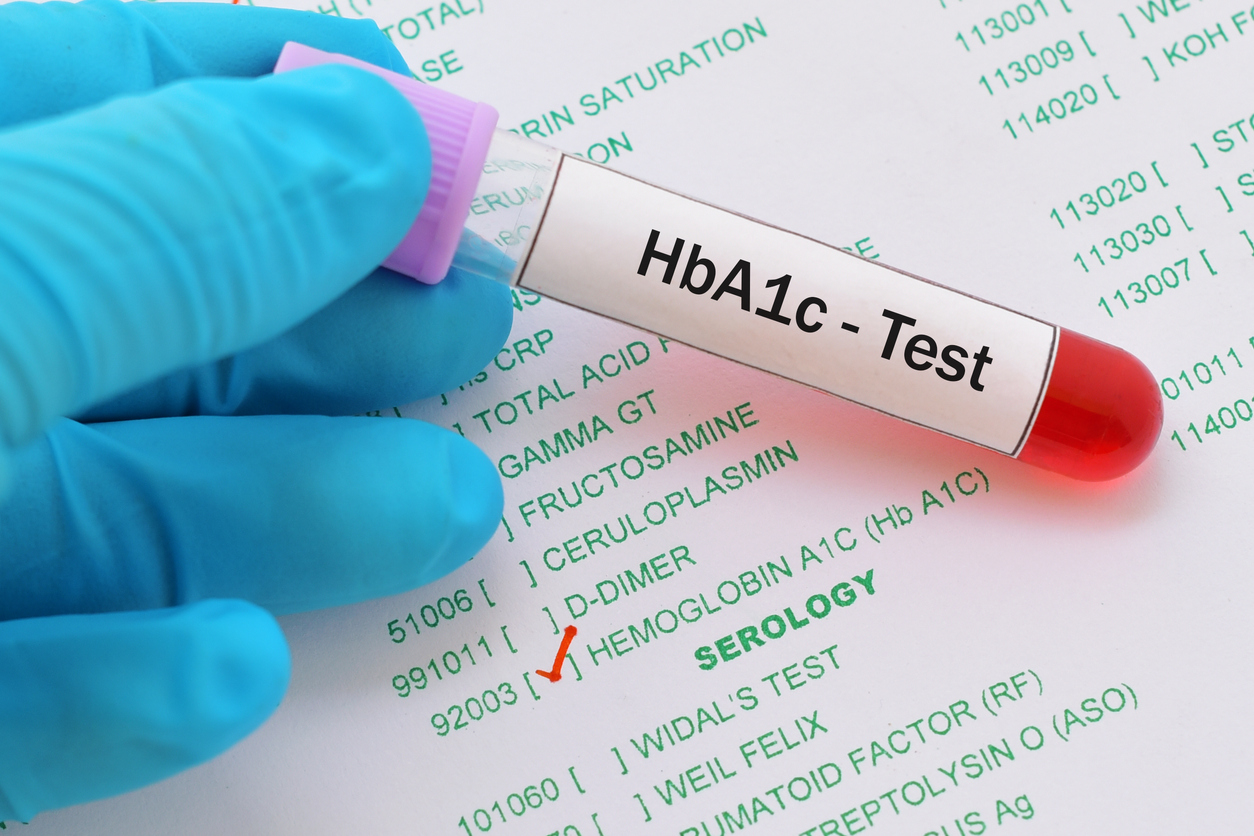
Glycosylated Hemoglobin (HbA1c)
₹999.00
Patient’s Blood required
This test is for : Male, Female
Test Preparation: No special preparation required
Overview
What is HbA1c?
Glycosylated Hemoglobin, also called Glycated Hemoglobin, Hemoglobin A1c, or HbA1c, refers to hemoglobin which is bound to glucose. Glycosylated Hemoglobin Test measures the percentage of glycosylated hemoglobin in blood which reflects the average blood glucose over a period of past two to three months (8 – 12 weeks).
Why is HbA1c done?
The Glycosylated Hemoglobin test is performed to:
- Monitor Diabetes treatment efficacy by measuring glycosylated hemoglobin regularly
- Screen for Diabetes as part of regular health checkup, as well as in patients with high risk of developing diabetes
- Diagnose and confirm diabetes with a combination of other tests if blood sugar levels have been high over a long period of time
What does HbA1c Measure?
Glycosylated Hemoglobin Test measures the percentage of glycosylated hemoglobin in blood which reflects the average blood glucose over a period of past two to three months (8 – 12 weeks).
Hemoglobin is the protein found in Red Blood Cells and is responsible for transporting oxygen. Of the different types of hemoglobin, Hemoglobin A is predominant. With the elevation of blood sugar levels, some glucose binds spontaneously to Hemoglobin A (this binding is called Glycosylation or Glycation) and remains bound for the complete lifetime of the RBC, which is 120 days normally. Higher the level of glucose in the blood, greater is the amount of it binding to Hemoglobin A. Hemoglobin A1c is the dominant form of Glycated Hemoglobin. As RBCs die and are replaced, Hemoglobin A1c is cleared and slowly replaced with non-glycosylated hemoglobin. Measurement of HbA1c level over a period of time gives an indication of the level of glucose in the blood over the specified period of time. This helps in the diagnosis of Diabetes and is useful for monitoring the effectiveness of measures taken to reduce blood sugar levels.
Interpreting HbA1c results
Interpretations
Normal: Below 5.7% (39 mmol/mol approx.)
Prediabetic: 5.7% – 6.4% (39 to 46 mmol/mol approx.)
Diabetic: Above 6.5% (above 48 mmol/mol approx.)
Less than 5.7% Glycated Hemoglobin indicates normal levels of blood sugar. Increased risk of developing Diabetes is found in Prediabetic patients with blood sugar level between 5.7% and 6.4%. Patients with a HbA1c level greater than 6.5% are usually diagnosed with Diabetes.
Answers to Patient Concerns & Frequently Asked Questions (FAQs) about HbA1c
Frequently Asked Questions about Glycosylated Hemoglobin
- What is Hyperglycemia?
Hyperglycemia refers to a condition where the blood glucose level is above the normal range. This condition may indicate prediabetes or diabetes and may cause significant health problems.
- What are the symptoms of Hyperglycemia?
Symptoms of Hyperglycemia include: Increased thirst, frequent urge to urinate, weakness, tiredness (fatigue), blurring of vision and slow wound healing.


 and then
Reviews
There are no reviews yet.